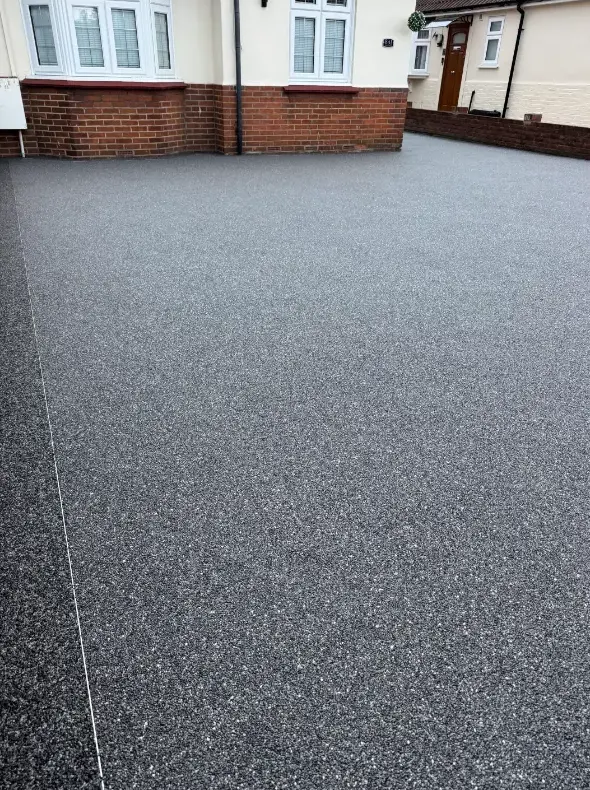
Luxury Resin Driveways, Built to Last
Garden Path Installers Serving Kent Homeowners
Luxury Resin Driveways, Built to Last. Professional resin bound installations across Kent.
Paths That Add Purpose and Character
A thoughtfully installed garden path does far more than provide a route from A to B. It introduces shape, flow and visual interest to your outside space. Kent Resin Driveways builds bespoke garden paths for properties across the county, using materials chosen to complement each individual setting.
We regularly work in Yalding, Marden, Loose, Barming, East Farleigh and right through to Headcorn. Every installation follows the same disciplined approach: solid groundwork first, a premium surface finish second.
Material Choices for Your Path
We give homeowners genuine choice when it comes to materials. The options we install most often are:
- Resin bound aggregate - seamless, porous and completely weed-resistant
- Indian sandstone and limestone - full of natural character
- Clay or concrete block paving - crisp lines and heritage appeal
- Porcelain paving - contemporary, stain-proof and easy to maintain
Resin bound remains the most frequently requested finish. Its joint-free surface eliminates weed growth entirely, while its permeable structure allows rainfall to pass through. The result is a path that stays dry, clean and compliant with SUDS drainage rules.
Designing the Right Route
No two gardens share the same layout or challenges. We visit your property before recommending anything. We check gradients, soil type, tree root proximity and existing drainage patterns. We discuss width, routing and how the path connects with other areas of your garden.
Curved paths suit informal cottage gardens; straight lines work well alongside modern architecture. Stepped sections handle slopes neatly. If you already have a clear vision, we bring it to life. If you want ideas, our team draws on years of practical experience to suggest layouts that work.
Installation From the Ground Up
We excavate the path corridor to the appropriate depth and lay compacted type 1 aggregate as a stable base. For resin bound finishes, a tarmac or concrete regulating layer goes down next to provide the flat, rigid substrate the resin needs.
The resin and aggregate are blended on site and hand-trowelled to a consistent depth. Aluminium or brick edging holds the surface firmly in position. The finished path is level, well-drained and built to withstand daily use for decades.
Request Your Free Path Quote
A new path can completely change how you use and enjoy your garden. Speak to Kent Resin Driveways on 07914 758684 or fill in our contact form. We provide honest guidance and clear pricing to homeowners in Sutton Valence, Linton, Staplehurst and across Kent.
Benefits of Garden Path Installation
How We Handle Garden Path Installation
Site Visit and Planning
We inspect your garden, agree the path route and material, and prepare a detailed quotation.
Groundwork
The path line is excavated and a compacted sub base is installed to form a stable foundation.
Laying the Surface
Your selected material is installed with precision edging, whether resin bound, stone, paving or porcelain.
Tidy Up and Completion
Surplus material and waste are removed, the surrounding garden is left clean and your path is ready to walk on.
Ready for Garden Path Installation?
Get in touch today for a free survey and no-obligation quote across Kent.
Garden Path Installation FAQs
Which material do you recommend for garden paths?
Resin bound is our most popular option thanks to its smooth finish, natural drainage and zero maintenance. Stone and porcelain are strong alternatives.
What width works best for a garden path?
A minimum of 900mm suits most walkways comfortably. Primary access paths to front or rear doors should be 1200mm or wider.
Are resin bound paths safe in wet weather?
Yes. The natural stone texture provides reliable grip in both wet and dry conditions, and water drains through rather than pooling on top.
How many days does a path installation take?
The majority are finished within one to three days, depending on the length of the path and the complexity of the groundwork.